Business CCTV Ireland: A Guide for Small Business Owners
If you run a small business in Ireland, CCTV is probably on your radar. Whether it’s a shop on the main street, a pub, a small office, or a unit on an industrial estate, the reasons are much the same: protecting stock, deterring theft, and keeping your premises secure outside of hours.
But commercial CCTV is a different job to sticking a couple of cameras on a house. The coverage requirements are bigger, the GDPR rules are stricter (especially around employees), and the costs scale differently. This guide covers what you actually need to know.
What Different Businesses Need
There’s no one-size-fits-all setup. The cameras you need and where you put them depend entirely on what your business does.
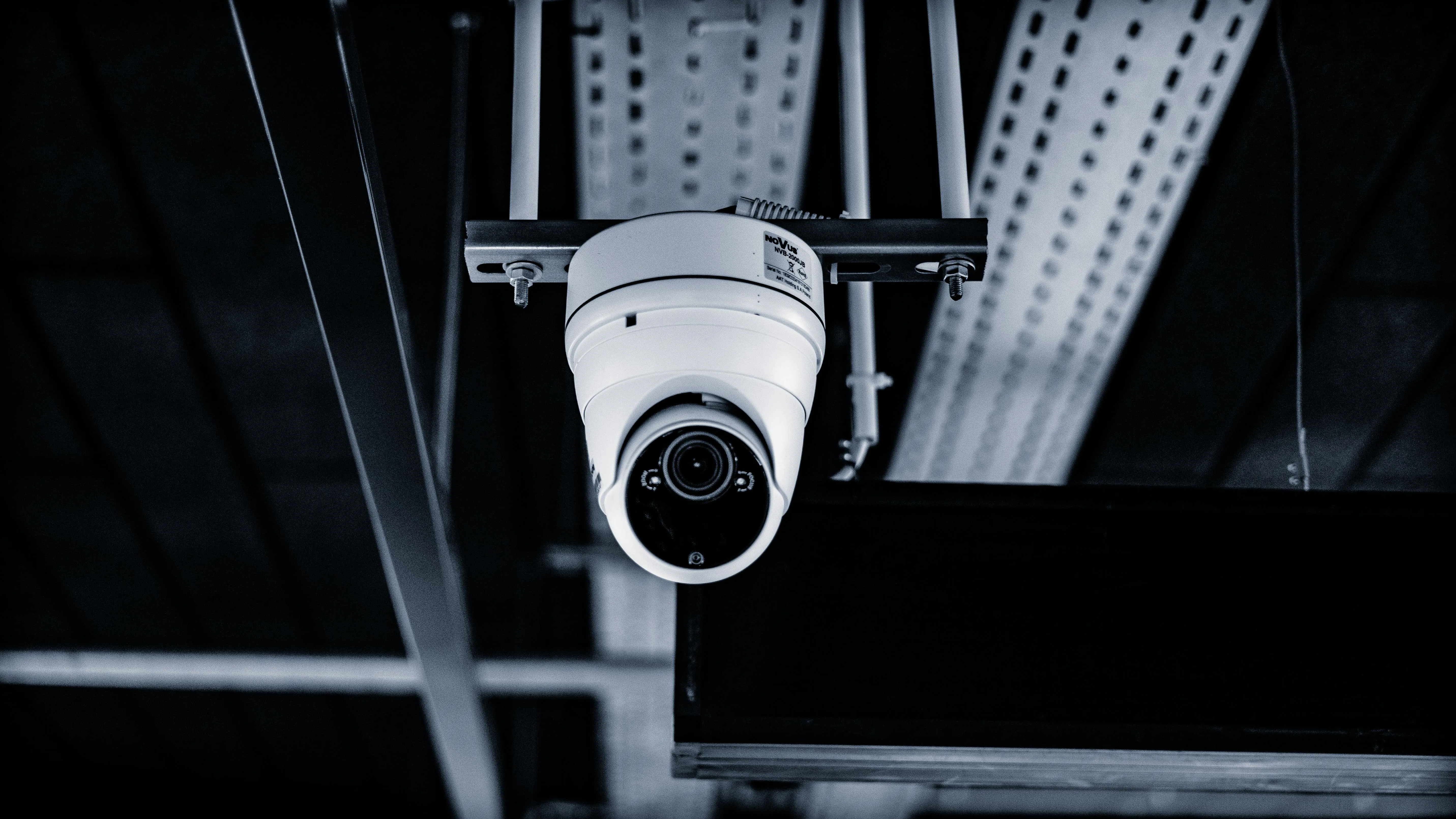
Retail (Shops, Off-Licences, Pharmacies)
Retail theft is the most common reason shop owners in Ireland look at CCTV. A good system covers:
- Entrances and exits. Every door in and out of the premises. This is your first line of evidence if something goes missing.
- Till area. A camera covering the register is standard. It protects against both external theft and internal discrepancies.
- Shop floor. Wide-angle cameras covering aisles. Dome cameras work well here because they’re harder for someone to tell exactly where they’re pointing.
- Stockroom. If you keep high-value stock, cover it. This is often overlooked.
Most small retail premises get by with 4 to 6 cameras. Larger shops or those with multiple rooms may need 8 or more.
Hospitality (Pubs, Restaurants, Hotels)
Pubs and restaurants have different problems to retail. You’re dealing with cash handling, alcohol, late-night crowds, and car parks. Key areas to cover:
- Main entrance. Records who comes in and when.
- Bar area and tills. Same logic as retail.
- Car park. This is a big one for rural pubs. Car park incidents, whether damage or altercations, are much easier to resolve with footage.
- Rear entrances and delivery areas. These get overlooked but are common entry points for break-ins outside of hours.
A typical pub or restaurant system runs 6 to 8 cameras. Hotels will need significantly more.
Offices
Office CCTV is less about theft (though it happens) and more about access control and security of sensitive areas.
- Reception and main entrance. Who’s coming in and out.
- Server room or IT closet. If you store data on-site, you may need this for compliance reasons.
- Car park. Staff car damage and break-ins are common complaints.
- Corridors, not desks. This is important. Constant monitoring of individual workstations raises serious GDPR issues (more on that below).
Most small offices need 4 to 6 cameras. Focus on access points and shared areas, not individual workspaces.
Warehouses and Industrial Units
If you’re on an industrial estate, you’re likely dealing with high-value stock, large premises, and limited staff. Coverage priorities:
- Loading bays. Goods in, goods out. Essential for accountability.
- Stock areas. Particularly for high-value or easily pocketed items.
- Perimeter. External cameras covering fence lines and gates.
- Yard. Vans, machinery, pallets. Anything that sits outside.
Warehouse systems tend to be larger. Expect 8 cameras minimum, often more depending on the size of the unit.
Employee Monitoring and GDPR
This is where commercial CCTV gets more complicated than residential. If your cameras record employees, you have specific obligations under GDPR and the Data Protection Acts.
The rules are stricter than many business owners realise:
- You must inform employees. Before cameras go in, staff need to be told. This means a written policy explaining what’s being recorded, why, and how long footage is kept.
- You need a legitimate reason. “Security” is a valid reason. “Checking if staff are working hard enough” is much harder to justify, especially for constant monitoring.
- You cannot monitor toilets, changing areas, or break rooms. This is a firm line.
- Proportionality matters. A camera covering the till in a shop is proportionate. A camera zoomed in on one employee’s desk is not.
- Signage is mandatory. Clear signs at every entrance letting people know CCTV is in operation. This applies to customers and staff alike.
- Footage retention. You must have a defined retention period. For most businesses, 30 days is standard. Keeping footage indefinitely is not compliant.
Getting this wrong can lead to complaints to the Data Protection Commission, which you do not want. For a full breakdown of the rules, see our guide to CCTV and GDPR in Ireland.
The practical advice: write a CCTV policy before you install a single camera. It doesn’t need to be complicated. Just clear.
Insurance Benefits
This is something a lot of business owners don’t ask about until after installation. It’s worth checking with your insurer before you buy.
Some business insurers in Ireland offer reduced premiums for premises with CCTV. The discount varies, but it can be meaningful over the life of a policy. The insurer may have specific requirements, like minimum camera resolution or a certain number of days of footage retention.
Beyond premium discounts, CCTV footage is genuinely useful for claims. Slip-and-fall claims, vandalism, break-ins, employee incidents. Having clear footage can be the difference between a claim being accepted or disputed.
If you’re getting CCTV primarily for insurance purposes, talk to your insurer first. Ask them what specifications they want, and make sure the system you install meets those requirements.
Remote Monitoring
Modern commercial CCTV systems almost always include remote access. This means you can view your cameras from your phone, tablet, or laptop, wherever you are.
Smartphone apps are standard with most NVR (network video recorder) systems. Hikvision, Dahua, and Reolink all have apps that let you view live feeds, play back recordings, and receive motion alerts. For most small businesses, this is all you need.
Professional monitoring services are an option if you want someone watching your cameras outside of hours. A monitoring centre receives alerts from your system and can contact you or the Gardai if something triggers. This adds a monthly cost (typically €30 to €80 per month) but gives you genuine 24/7 coverage.
For most small businesses, the smartphone app approach is the right starting point. You can always add professional monitoring later if needed.
For an overview of the systems and brands available, see our guide to the best CCTV systems in Ireland.
What Does Business CCTV Cost in Ireland?
Costs depend on the number of cameras, the quality of the equipment, and the complexity of the installation. Here’s what to expect in 2026.
Typical Cost Ranges
| Setup | Camera Count | Typical Cost (Installed) |
|---|---|---|
| Small shop or office | 4 cameras | €1,200 to €2,000 |
| Mid-size retail or pub | 6 cameras | €1,800 to €3,000 |
| Larger premises or warehouse | 8 cameras | €2,500 to €4,000 |
| 8+ cameras with analytics | 8–16 cameras | €4,000 to €8,000+ |
These prices include equipment, cabling, NVR, installation, and basic setup. VAT is extra. Prices vary by region and installer, so it’s always worth getting a quote specific to your premises.
If you want a detailed breakdown of what’s included in the price, see our full guide to CCTV installation costs in Ireland.
What Affects the Price?
- Camera quality. 2MP cameras are cheaper but 4MP or higher gives you usable detail for identifying faces and number plates.
- Wired vs wireless. Wired systems cost more to install (cable runs take time) but are more reliable. For most business premises, wired is the better choice.
- Building type. Running cables through a modern office is simpler than fishing them through the walls of a 200-year-old pub. Difficult cable runs add to labour costs.
- NVR capacity. More cameras means a larger recorder. Systems with 30+ days of storage at high resolution need bigger drives.
Frequently Asked Questions
Do I need planning permission for business CCTV in Ireland?
No, not in most cases. External cameras on commercial premises don’t require planning permission unless they significantly alter the appearance of a protected structure. Internal cameras never need planning permission.
How long should I keep CCTV footage?
For most businesses, 30 days is the standard retention period. Some sectors (like financial services) may have specific requirements. Whatever you choose, document it in your CCTV policy and stick to it.
Can I use CCTV footage as evidence in court?
Yes. CCTV footage is regularly used as evidence in Irish courts. For it to be admissible, you need to show the system was properly maintained, the footage hasn’t been tampered with, and you can prove the chain of custody.
Do I need to register my CCTV system with the Data Protection Commission?
No. Since GDPR replaced the older data protection regime, there’s no registration requirement. But you still need to comply with all GDPR obligations: signage, a written policy, defined retention periods, and responding to access requests.
Can employees request to see CCTV footage of themselves?
Yes. Under GDPR, employees have the right to make a subject access request for any footage that includes them. You have one month to respond. You’ll need to blur or redact other people in the footage before sharing it.
Is it worth getting a maintenance contract?
For a business system, usually yes. Cameras exposed to Irish weather need occasional cleaning and adjustment. NVRs need firmware updates. A basic annual maintenance visit costs €100 to €200 and keeps your system working when you actually need it.