How Much Does CCTV Installation Cost in Ireland in 2026?
What Does CCTV Installation Typically Cost in Ireland?
Based on current installer pricing across Ireland, most residential CCTV installations cost between €800 and €2,500 fully installed including VAT. We will discuss what impacts this pricing below.
One of the biggest drivers of cost is number of cameras. As the number of cameras grows so does the wiring requirements, the labour requirements and you may even see a spike in the cost of your Network Video Recorder (NVR) in order to handle the additional cameras and increased video storage requirements. There are many other factors which impact pricing and we will do our best to cover them all below.
Cost Breakdown by System Size
Based on quotes from Irish CCTV installers and some shopping around, the table below gives guide prices for professionally installed CCTV systems in Ireland. These are all-in prices - covering everything from the cameras themselves to the install and setup. Your actual quote will depend on camera brand, property layout and cabling complexity.
| System Size | Typical Cost (installed, inc. VAT) | Best For |
|---|---|---|
| 2 cameras | €500 – €900 | Apartments, small semis |
| 4 cameras | €800 – €1,500 | Semi-detached, detached homes |
| 6 cameras | €1,200 – €2,200 | Larger detached, rural properties |
| 8 cameras | €1,800 – €3,000 | Large homes, small commercial |
| 12+ cameras | €3,000 – €6,000+ | Large commercial, multi-building |
A basic 4 camera system with a budget brand will sit at the lower end while premium brands with IP cameras and larger storage will push towards the higher end. For larger commercial installs (16+ cameras, access control integration), expect quotes of €6,000–€10,000+.
What Affects CCTV Installation Cost?
Camera Type
The style of camera you choose will impact the price. Here are the most common types you’ll come across:
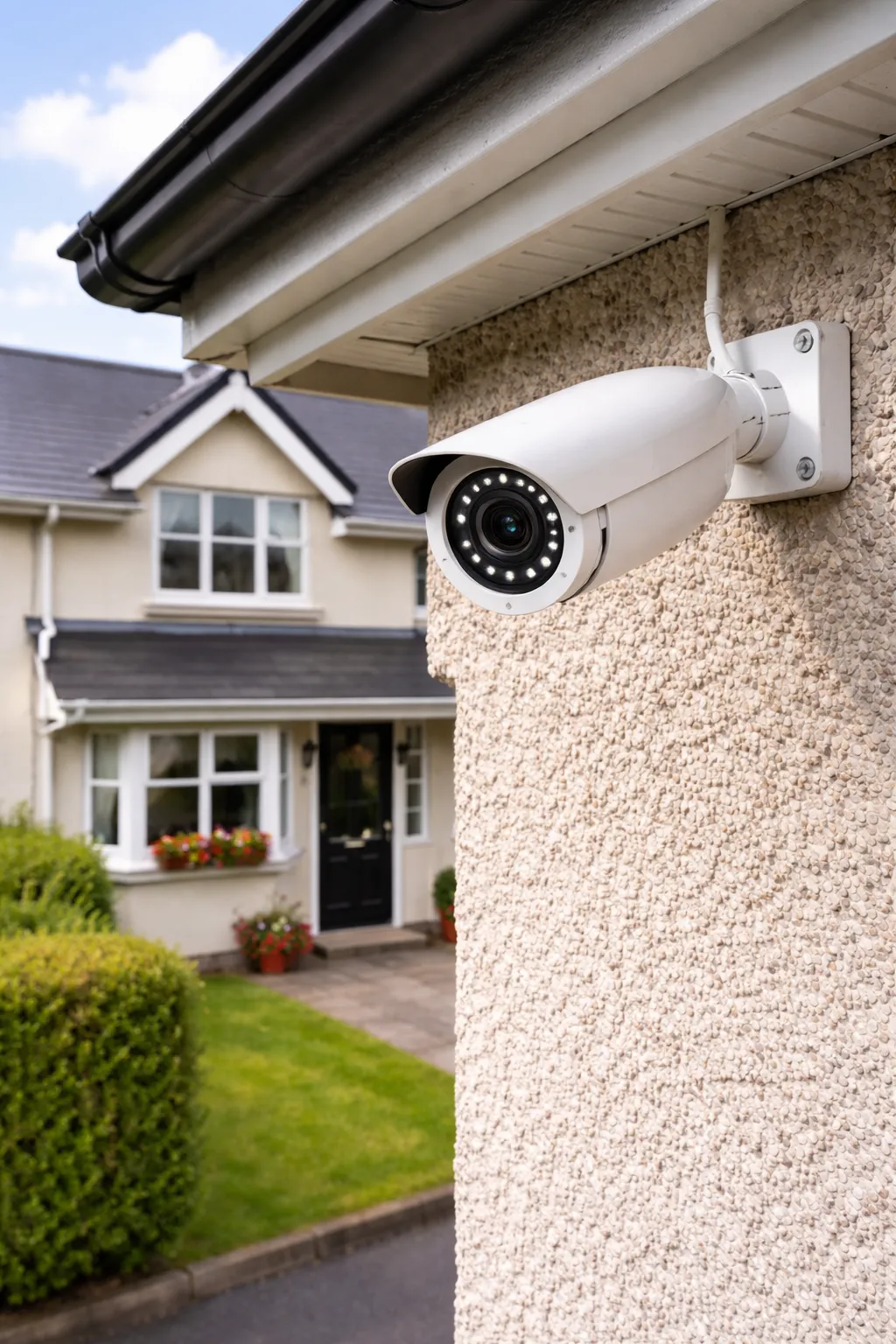
- Bullet cameras. The most common choice for outdoor use. They have a fixed lens pointing in one direction and are relatively easy to wall-mount. Typically the most affordable option.
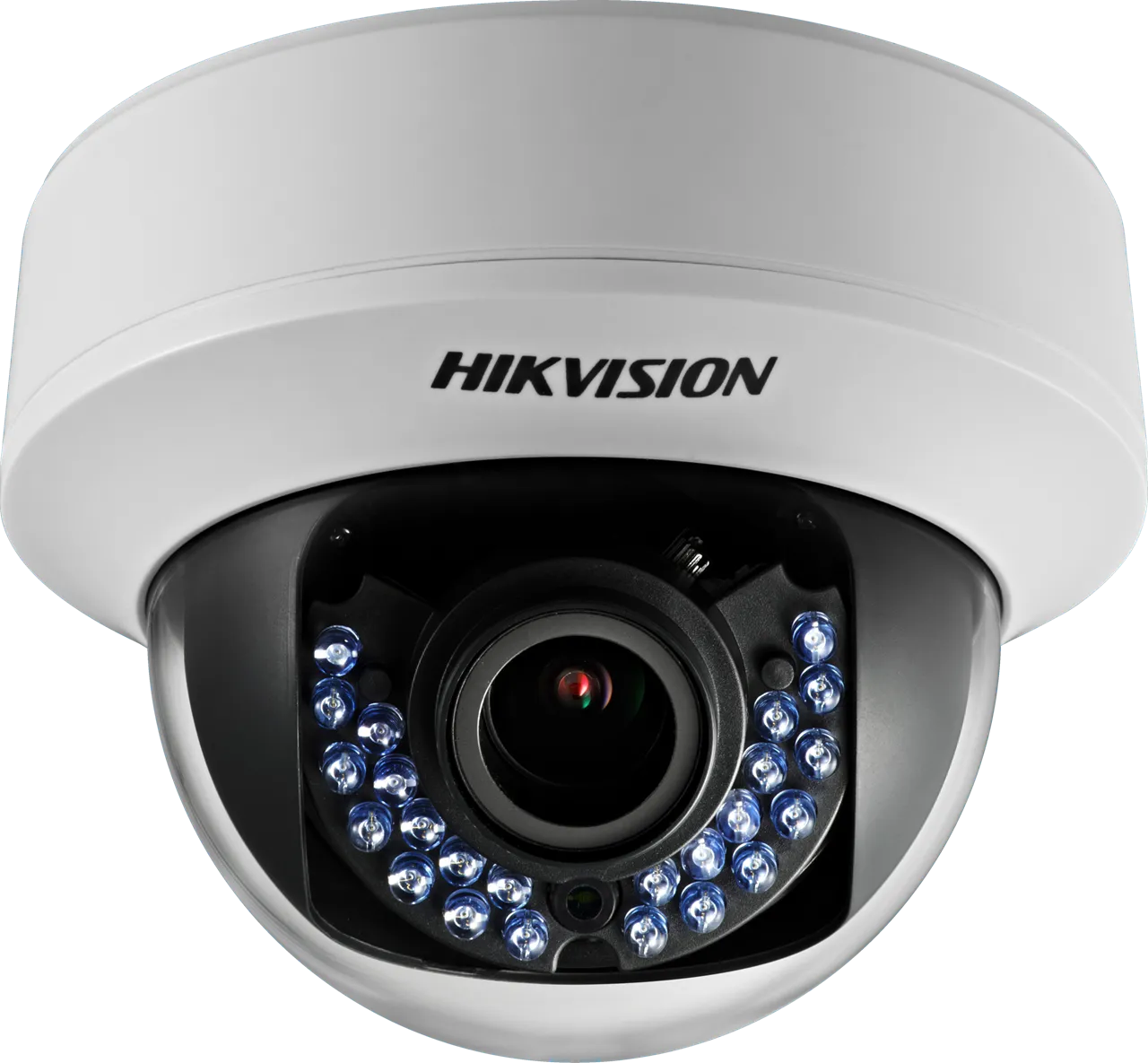
- Dome cameras. These sit flush against a ceiling or soffit. They are more difficult to tamper with due to the dome, and slightly more discreet than bullet cameras as it’s difficult to see where exactly they are pointing. Usually a similar price to bullet cameras.
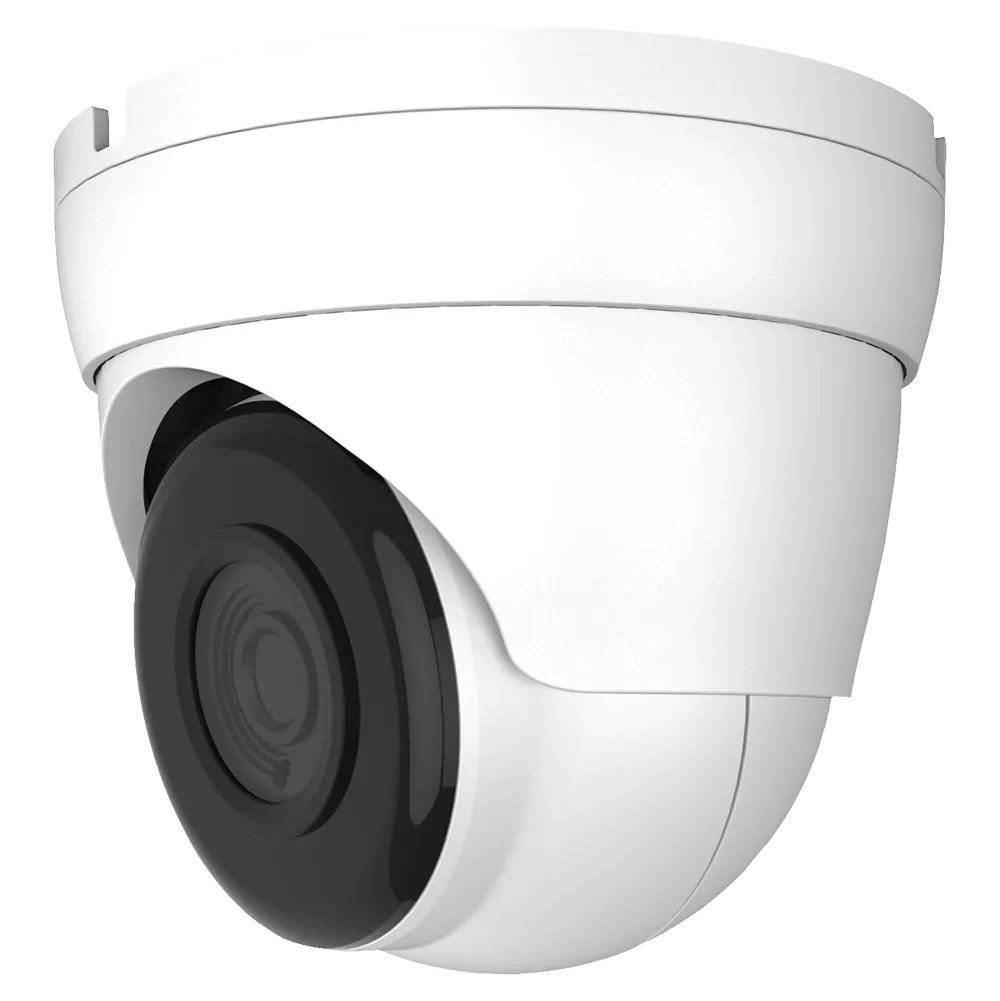
- Turret cameras. Similar to dome cameras but with an adjustable ball-and-socket mount, making it easier for your installer to angle them precisely. Increasingly popular as a do-it-all option.
- PTZ (Pan-Tilt-Zoom) cameras. Motorised cameras that can rotate and zoom remotely. Significantly more expensive (€300–€800+ per unit) and mostly used in commercial or large rural properties. These cameras can be manually adjusted as needed to track movement, or zoom in on specific features.
For most homes, bullet or turret cameras are the go-to options for the best price and performance. If you’re unsure which type suits your property, a local installer can advise. Get a free quote here.
Camera Brand
Camera brand has a big impact on what you’ll pay. Here’s a rough breakdown of the tiers you’ll see in Irish installer quotes. For a full head-to-head, see our CCTV brand comparison guide.
- Budget (€50–€100 per camera). Brands like HiLook (Hikvision’s budget line) and Dahua offer solid entry-level cameras. They are good for basic home security but you may sacrifice on night vision and build quality.
- Mid-range (€100–€200 per camera). Reolink and Hikvision are often touted as good mid-range options. Hikvision is the most popular brand among Irish installers. Reolink is a great option if you’re looking for good value with easy setup.
- Prosumer/Premium (€200–€400+ per camera). Ubiquiti (UniFi Protect) and Axis. Ubiquiti is popular with tech-savvy homeowners and offers excellent build quality and software, but the ecosystem cost adds up quickly. Axis is largely commercial-grade and overkill for most residential installs.
Wired vs Wireless
Wireless might seem like an obvious choice to avoid dealing with cable runs, but there are a couple of reasons you might want to avoid it. We have a full wired vs wireless CCTV comparison if you want to dig into this.
- Wireless. Very simple install and a lower install cost. Cameras connect directly to your Wi-Fi network. It does have several downsides though. The cameras still need power so you will need to run cables regardless. They are also prone to issues if the Wi-Fi signal is poor and can be circumvented with signal jammers.
- Wired. Recommended by most installers for permanent installations. It does carry a higher cost as the installer will need to run additional cables for the system. It is far more reliable and most modern cameras can now transfer data and power with one cable via PoE.
Property Complexity
Installers will adjust their prices in accordance with the difficulty of the install. Having a very large property or complex installation requirements may have an impact. See some examples below.
- Larger properties with longer cable runs will increase the cost
- A two or three storey home may be priced differently than a bungalow
- Wall material impacts the installation complexity and pricing
- Existing infrastructure like conduits or pre-existing cables
Recording and Storage
Unless you are planning on viewing the cameras in real-time only, you will need to handle storage. The number of cameras and the resolution of the cameras will have an impact on your recording and storage requirements, which in turn will adjust the price.
- Most installation quotes will include a Network Video Recorder (NVR)
- An NVR dictates how many cameras you have and how much storage you have
- More cameras requires more storage, and more storage leads to an increased price
Residential vs Commercial CCTV Costs
This article is largely focused on residential costs, but below is a quick insight as to why commercial installs can be far more expensive.
- When comparing residential to commercial installs, commercial usually has stricter requirements
- More cameras will be needed, with a higher resolution and improved night vision capabilities
- Oftentimes commercial properties will have longer retention requirements on footage, leading to an increased cost
- Commercial properties may also need their CCTV system to integrate with other security systems like access panels or alarms
Can You Save Money with DIY CCTV?
Definitely! Doing a DIY CCTV install can save you a huge amount of money, and oftentimes if you have simple requirements - like one or two cameras and a small space to cover - it may be the best solution for you. You can oftentimes pick up good deals around Black Friday to purchase the equipment yourself, or you could shop around sites like Adverts and Donedeal and hope for a good find. The downsides are the risk of a botched install, breaking equipment during the install or buying some dud second hand equipment. Although if you’re familiar with running cables, climbing ladders and doing some general DIY - this might be the route for you.
If you’re considering going the DIY route there are some products and kits which are sold with you in mind.
- Ring Doorbell. Doorbells have become extremely popular in recent years and can cover a lot of people’s requirements. They have good night vision, can usually cover most of your front garden to keep an eye on cars and also have a nice integration with your phone so you can answer the doorbell from anywhere.
- Reolink Kit. Reolink is a great mid-range kit with plenty of installation videos online. They have a variety of cameras and systems you can choose from, but for a DIY system you might be interested in their starter kit.
- Ubiquiti. This one is reserved for those with some technical know-how. If you are familiar with the Ubiquiti ecosystem or you’re already running some Ubiquiti gear in your home network, you might be interested in extending it with some Ubiquiti cameras. Depending on your hardware you can plug cameras straight into a PoE switch and get everything up and running nicely with their Ubiquiti Protect system. Ubiquiti is definitely on the prosumer end when it comes to pricing, so expect to spend quite a bit on hardware. If you’re interested in a system like Ubiquiti but don’t want to handle the install yourself, consider getting a CCTV quote through our website.
What’s Included in a Professional CCTV Installation Quote?
Professional CCTV installers usually include the following in their pricing:
- Initial site survey. The installer will usually survey your property to highlight the best locations for cameras and maximum coverage.
- Cameras & mounting hardware. The quote should include the number of cameras, the cost of cameras and the cost of all relevant mounting equipment. The mounting equipment may differ depending on where the cameras are installed. Soffit mounting may be priced differently to wall mounts.
- NVR (Network Video Recorder). This is the main hub of your system and acts as the brain for your cameras. It has a direct impact on how much historic footage you can store, how many cameras you can connect and your remote viewing experience. Ask your installer to run through the pros and cons of the NVR they recommend.
- Cabling and connectors. Each install will differ in the cabling requirements. If your home needs a fresh CAT6 run for PoE cameras it will add some cost. Ask your installer to describe the cabling requirements if you are going for a wired system.
- Labour. Installers will charge for their time and expertise. This covers the install and usually a setup and walkthrough to ensure you understand how to use your new camera system.
- Warranty & after-care. Ask your installer what warranty and after-sales support they provide. If a camera stops working a few weeks after install, you’ll want to make sure you’re covered.
How to Get the Best Value on CCTV Installation
Doing some research is a great first step. Understanding how the number of cameras, the quality of cameras and home type might impact your quote helps you make an informed decision when an installer provides you with a price. Getting a quote through our site is a good way to start the process. If you do get quotes from different installers, make sure you check what cameras they are planning to install.
One installer might recommend a Reolink system whereas another might suggest Ubiquiti. This will have a noticeable impact on pricing (and system quality). You should also assess if your installer has after-care or ongoing warranty. Nearly all systems come with a manufacturer warranty but check about after-sales support and installation warranty. Future expansion is also something you should consider. If you think you will be adding more cameras in the future, it may be worth investing more in your NVR initially to ensure it has capacity for more cameras. Some NVRs may only have 4 or 8 ports, so understanding what you’re getting here will make a big difference.
CCTV Installation Cost FAQ
Is CCTV installation worth the cost?
For most homeowners it does provide huge value, and if you are reading this that probably applies to you. Firstly, CCTV and home security systems are a huge deterrent to opportunistic burglaries. Thieves are less likely to target homes with CCTV systems in comparison to other, less-secure homes. It is also possible that your home insurance may offer a discount if you have a CCTV system, but this is something that you will need to check with your insurer directly.
Additionally nearly all modern systems offer remote viewing and monitoring, which can give you peace of mind when away from home. You can keep an eye on your property or pets easily from anywhere in the world (as long as you have a relatively stable internet connection).
A modern system, installed professionally, should easily last 10+ years assuming you are not chasing the latest technological advancements (AI detection, improved night vision, higher resolution, etc.)
Do I need planning permission for CCTV?
Generally no, but if you have any doubts speak to your installer. You also need to be aware of your neighbours and where your cameras are pointing. See the latest guidance from the Data Protection Commission on the usage of CCTV.
How long does installation take?
This depends on this scale of the install, but for most homes (2-4 cameras) it should take less than a day. More cameras and complex systems extend the install time. One of the biggest impacts on install time is home layout and existing wiring. If your home has easy access to conduits and simple camera placement, wiring new cameras should be a breeze. If your installer needs to deal with expansive homes, long cable runs, small spaces - this can of course take much longer. It’s best to speak to an installer and get an initial survey to get an accurate guideline on install timelines for your case.
How much does a 4 camera CCTV system cost in Ireland?
A professionally installed 4 camera system typically costs between €800 and €1,500 including VAT. The exact price depends on the camera brand, whether you go wired or wireless, and the complexity of your property. Budget brands like HiLook will sit at the lower end, while Hikvision or Reolink systems push towards the middle and upper range.
Is wired or wireless CCTV better?
Wired CCTV is recommended by most installers for permanent installations. It’s more reliable, immune to Wi-Fi interference, and can’t be defeated by signal jammers. Wireless is simpler to install and cheaper upfront, but cameras still need power cables and can suffer from connectivity issues. For most homes, wired with POE (Power over Ethernet) is the best long-term investment.
What brand of CCTV do most Irish installers recommend?
Hikvision is by far the most popular brand among Irish CCTV installers. It sits in the mid-range price bracket (€100–€200 per camera) and offers a strong balance of image quality, reliability and value. Reolink is another popular recommendation for homeowners looking for good quality at a slightly lower price point.
Can I get a grant for CCTV in Ireland?
There is currently no government grant specifically for residential CCTV installation in Ireland. However, some home insurance providers may offer reduced premiums if you have a CCTV system installed. Check with your insurer directly. For commercial properties, certain security upgrades may qualify for tax relief under business expenses.
How much does it cost to add a camera to an existing system?
Adding a camera to an existing wired system typically costs €150–€400 including the camera, cabling and labour. The main variables are the cable run length and camera brand. Before adding cameras, check that your NVR has spare ports. If it’s full, you’ll need to upgrade the NVR which adds €100–€300 to the cost.
Get Your CCTV Installation Quote
Now that you’re up to speed on the pricing of CCTV systems in Ireland, why not get a quote from a local installer? If you’re still in the research phase, our complete home CCTV guide covers everything from camera types to what to ask an installer. We aim to connect you with a local installer to ensure you get a quote quickly. Fill out the form below to get started, it’s quite quick and a local installer will get in touch with you to arrange a quotation.