Home CCTV Ireland: Everything You Need to Know Before You Buy
Thinking about putting CCTV cameras on your house in Ireland? You’re not alone. Home security camera sales have been climbing steadily here, driven by a mix of genuine concern, affordable technology, and the fact that decent systems are no longer just for businesses and wealthy estates.
But before you spend a cent, it’s worth stepping back. Not everyone needs CCTV. And the wrong system, poorly installed, can be worse than no system at all. This guide covers everything you need to know to make a good decision.
Do You Actually Need CCTV?
Honest answer: maybe not.
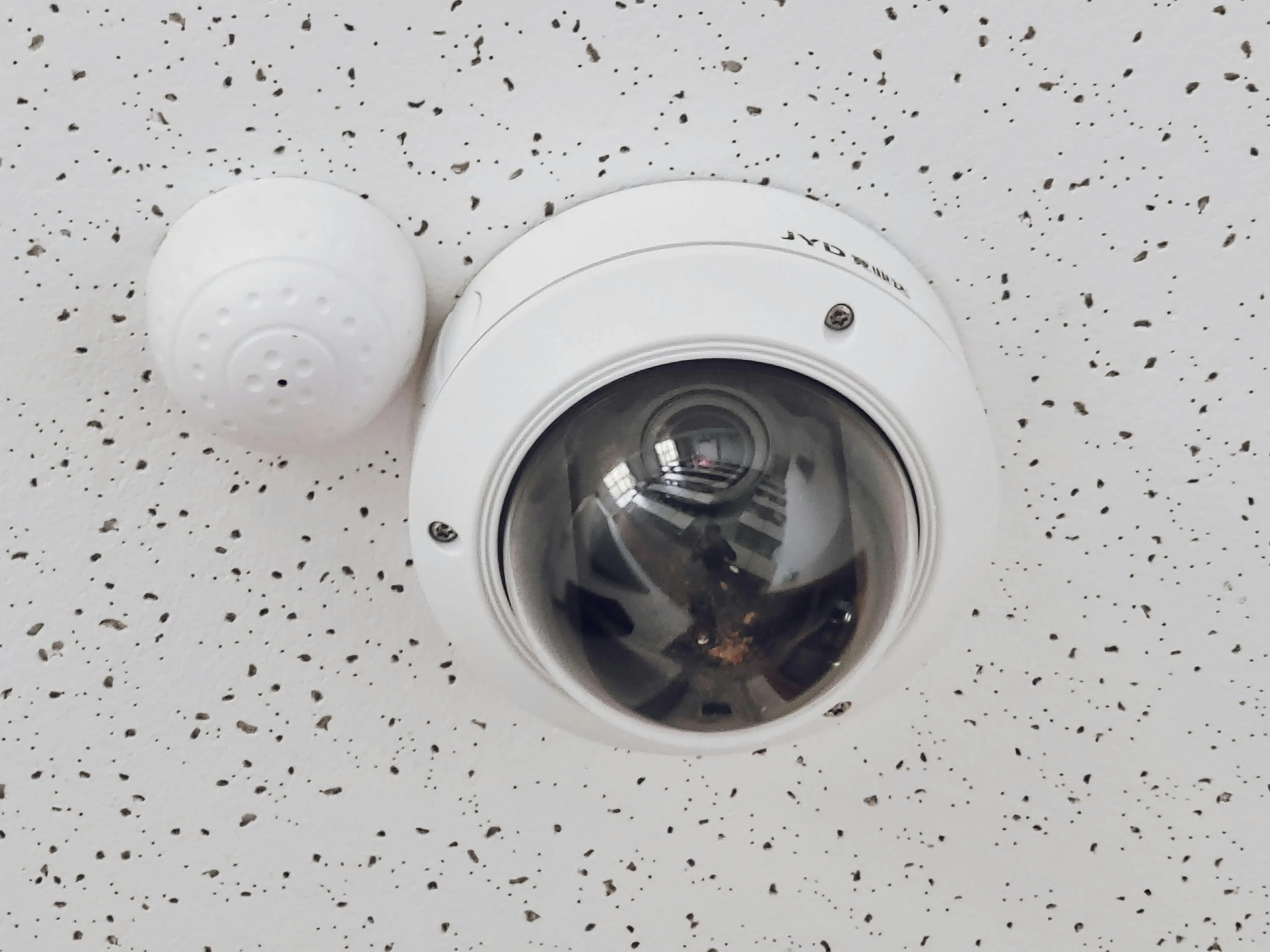
If you live in a housing estate with low crime, good street lighting, and neighbours who keep an eye out, CCTV might not be the most useful thing you could spend €1,000 on. A solid alarm system, good locks, and motion-sensor lighting might give you more peace of mind per euro spent.
That said, there are situations where CCTV genuinely makes sense:
- You’ve had a break-in or attempted break-in. That changes the calculus immediately.
- Your property is isolated. Rural homes, homes backing onto laneways or open fields, or houses at the end of a cul-de-sac with poor visibility from the road.
- You have valuable items on your property. Vans with tools, machinery, livestock, outbuildings with equipment.
- Anti-social behaviour. If your car’s been keyed, bins tipped, or you’ve had trespassers, cameras are a reasonable response.
- You travel frequently. Being able to check in on your property from your phone when you’re away is genuinely useful, not just a gimmick.
- Insurance. Some insurers offer reduced premiums for homes with monitored CCTV. Worth asking about before you install.
If none of these apply, consider whether you’d be better served by a video doorbell alone. A Ring or Reolink doorbell camera covers the front of your house, records visitors, and costs a fraction of a full system. For many apartments and terraced houses, that’s plenty.
Types of CCTV Cameras Explained
Walk into any security shop or browse online and you’ll see dozens of camera types. It’s simpler than it looks. There are really four types worth knowing about for home use.
Dome Cameras
The rounded, ceiling-mounted cameras you see in shops and offices. They sit flat against a wall or soffit, which makes them harder to tamper with. They blend in reasonably well on most houses. Good all-round choice for covering driveways, gardens, and entry points.
Bullet Cameras
The cylindrical cameras that stick out from the wall on a bracket. More visible than domes, which can be a deterrent in itself. Typically have a longer range, making them a good fit for monitoring long driveways, side passages, or the back of a large garden. Popular choice for rural properties in Ireland where you need to cover a wider area.
PTZ Cameras (Pan-Tilt-Zoom)
These can rotate and zoom remotely. Overkill for most homes. They’re designed for large commercial premises where a security operator needs to track movement across a wide area. Unless you have a very large property with specific surveillance needs, you don’t need PTZ. They’re significantly more expensive too.
Doorbell Cameras
A camera built into your doorbell. Covers your front door, records who calls, and sends alerts to your phone. For many Irish homes, particularly apartments and terraced houses, a doorbell camera is genuinely all you need. They’re easy to install yourself and cost between €80 and €250.
For most homes in Ireland, a mix of dome and bullet cameras does the job. Your installer can advise on the right combination based on your property layout. For a deeper comparison of camera brands and features, see our guide to the best CCTV systems available in Ireland.
How Many Cameras Do You Need?
This depends entirely on your property. More cameras isn’t always better. The goal is to cover the key entry points and vulnerable areas without creating blind spots.
Apartment or Terraced House
1 to 2 cameras. Often a doorbell camera plus one covering a rear entrance or back garden is sufficient. Space is limited, and your neighbours’ properties are close enough that you need to be mindful of GDPR rules around filming shared areas.
Semi-Detached House
2 to 4 cameras. The typical 3-bed semi in a housing estate usually needs a camera covering the front (driveway/front door), one at the back garden, and possibly one on each side if there are side passages. Three cameras is the sweet spot for most semi-ds.
Detached House
4 to 6 cameras. More angles to cover, more entry points. A detached home usually needs full perimeter coverage: front, back, and both sides. If you have a separate garage or large garden, that might push you towards five or six.
Rural or Large Property
6 to 8+ cameras. Farmyards, large gardens, outbuildings, and long driveways all need coverage. Rural properties often benefit from a mix of bullet cameras (for long-range views down driveways) and dome cameras (for closer areas around the house). Check our camera placement guide for tips on positioning cameras to avoid common blind spots.
A good installer will do a site survey before quoting. They’ll walk the property with you and recommend camera positions based on what actually needs covering, not just sell you the biggest system they can. If someone quotes you without visiting, that’s a red flag.
Wired vs Wireless: Which Should You Choose?
This is one of the most common questions, and the answer isn’t always obvious.
Wired systems are more reliable. They don’t drop out when your WiFi is busy, and they’re powered by the cable itself (PoE), so no batteries to charge. The downside is installation: cables need to be run from each camera back to a central recorder, which means drilling, trunking, and more labour.
Wireless systems are easier to install and more flexible if you’re renting or don’t want cables run through your walls. But they rely on your WiFi signal, which can be patchy in larger or older houses. Battery-powered wireless cameras also need regular charging, which gets old fast.
For most permanent installations on a home you own, wired is the better choice. For renters or those who want flexibility, wireless has its place. We’ve written a full breakdown in our wired vs wireless CCTV comparison.
How Much Does Home CCTV Cost in Ireland?
Expect to pay between €600 and €3,500 for a professionally installed home CCTV system in Ireland, depending on the number of cameras, the brand, and the complexity of the installation.
A typical 4-camera system for a 3-bed semi, using a reliable brand like Hikvision, will cost somewhere in the region of €1,000 to €2,000 fully installed. That includes cameras, an NVR (network video recorder), cabling, and labour.
For a detailed breakdown of costs by system size, equipment, and running costs, see our full CCTV installation cost guide.
Professional Installation vs DIY
Professional Installation
Pros:
- Correct positioning for coverage and image quality
- Cables routed neatly, weatherproofing done properly
- NVR and network configured correctly
- Aftercare and warranty support
Cons:
- Costs €300 to €800+ in labour depending on system size
- Scheduling, waiting for availability
- Quality varies between installers
DIY Installation
Pros:
- Save on labour costs
- Flexible timing
- Plenty of YouTube guides for popular systems
Cons:
- Positioning mistakes are common and costly to fix
- Cable management through walls and soffits requires tools and confidence
- Weatherproofing is easy to get wrong, leading to cameras failing in Irish weather
- Network configuration can be tricky, especially remote viewing setup
- No warranty cover if something goes wrong during installation
DIY is a reasonable choice if you’re handy, you’re going wireless, and you need two or three cameras. For anything involving cable runs through walls, drilling into soffits, or more than three cameras, professional installation is worth the money.
What to Ask an Installer Before You Hire Them
Not all installers are equal. Before you agree to anything, ask these questions:
-
Can you do a site survey first? Any decent installer will visit your property before quoting. If they quote over the phone without seeing the property, move on.
-
What brand and model of cameras will you use? Avoid installers who are vague about equipment. You want to know exactly what you’re getting. See our brand comparison guide if you want to research brands beforehand.
-
Is remote viewing included in the setup? Most modern systems offer app-based remote viewing. Your installer should set this up as part of the job, not leave you to figure it out.
-
What resolution are the cameras? Anything below 2MP (1080p) in 2026 is outdated. 4MP or higher is the current standard for clear facial identification.
-
How is the footage stored, and for how long? Local storage via NVR is standard. Ask about hard drive size and how many days of recording it holds. Cloud storage is an optional extra with some systems.
-
What happens if a camera stops working? Ask about their warranty and aftercare policy. A good installer will offer at least 12 months on labour and pass through the manufacturer warranty on equipment.
-
Are you insured? This protects you if anything goes wrong during installation. Damage to your property, a cable run that goes badly. Basic due diligence.
-
Will the installation be GDPR compliant? Your cameras must not record public footpaths, your neighbours’ property, or shared areas without justification. A competent installer should know this. Read more in our CCTV and GDPR guide.
Common Mistakes to Avoid
These come up again and again. Save yourself the hassle.
Buying the cheapest system you can find. Budget cameras from unknown brands often produce grainy footage, fail in bad weather, and have terrible app support. You don’t need to buy the most expensive system, but avoid the bottom shelf. A mid-range system from Hikvision, Dahua, or Reolink will serve you far better.
Too few cameras. People often underestimate how many cameras they need. A single camera covering the front door leaves the entire back of your house uncovered. Get a site survey done before you commit to a system size.
Poor positioning. Cameras mounted too high produce useless top-of-head footage. Cameras pointing into the sun are washed out for half the day. Cameras aimed at your neighbour’s garden are a GDPR issue. Positioning matters more than camera quality in many cases. Our placement guide covers this in detail.
Ignoring night vision quality. Ireland is dark for a significant part of the year. Make sure your cameras have strong infrared (IR) night vision, ideally with a range of 30 metres or more. Colour night vision is a nice bonus but not essential.
Forgetting about storage. A 1TB hard drive might only hold 7 to 10 days of footage from a 4-camera system recording 24/7. If you need longer retention, specify a larger drive upfront. Adding one later means wiping your existing recordings.
Not considering GDPR. Your CCTV system must comply with data protection law. That means signage, limited recording angles, defined retention periods, and a legitimate reason for having cameras. It’s not complicated, but ignoring it can lead to complaints from neighbours or the Data Protection Commission. Full details in our GDPR guide.
Frequently Asked Questions
Is it legal to have CCTV on my house in Ireland?
Yes. You’re entitled to install CCTV on your own property for security purposes. But you must comply with GDPR. That means your cameras should primarily cover your own property, you should display signage, and you need a legitimate reason (home security qualifies). You cannot deliberately film your neighbours’ gardens, shared areas, or public spaces without justification. See our full CCTV GDPR guide for the details.
Do I need planning permission for home CCTV?
No. Residential CCTV installations in Ireland do not require planning permission. You may need to be mindful of listed building restrictions if your property is a protected structure, but for the vast majority of homes, you can install cameras without any permissions.
How long should CCTV footage be stored?
There’s no fixed legal requirement, but the Data Protection Commission recommends keeping footage for no longer than necessary. For home security, 14 to 30 days is considered reasonable. After that, footage should be automatically overwritten.
Can I install CCTV myself?
Yes, particularly wireless systems with two or three cameras. If you’re comfortable with basic DIY (drilling, mounting, connecting to WiFi), a system like Reolink is designed for self-installation. For wired systems or anything more than three cameras, professional installation is strongly recommended.
Will CCTV reduce my home insurance?
It can. Some Irish insurers offer discounts for homes with security systems including CCTV, though the discount varies. Contact your insurer before installation to find out what they require. A monitored system is more likely to qualify for a discount than an unmonitored one.
What’s the difference between 2MP, 4MP, and 8MP cameras?
MP stands for megapixels, which determines image resolution. 2MP gives you 1080p (Full HD), which is acceptable but shows its limits at distance. 4MP (2K) is the current sweet spot for home use, giving clear facial detail at reasonable distances. 8MP (4K) is excellent but uses more storage and bandwidth. For most homes, 4MP is the right choice.
Do CCTV cameras work in the dark?
Yes. All modern security cameras include infrared (IR) LEDs for night vision. Quality varies by model, with a typical range of 20 to 30 metres in complete darkness. Some higher-end cameras offer colour night vision using a built-in spotlight, which produces clearer images but is more noticeable.
Next Steps
If you’ve read this far, you have a solid understanding of what’s involved in getting CCTV for your home in Ireland. The key decisions are: how many cameras, which type, wired or wireless, and whether to install yourself or hire someone.
For most homeowners, a 3 to 4 camera wired system professionally installed is the right answer. It covers the key entry points, gives you reliable footage day and night, and you don’t have to worry about WiFi dropouts or battery charging.
If you want to dig deeper into any specific area, these guides cover each topic in detail: