Where to Put CCTV Cameras: A Placement Guide for Irish Homes
Getting Camera Placement Right
You’ve decided to get CCTV. The next question is where to put the cameras. Get this wrong and you end up with footage of hedges, blank walls, or your neighbour’s kitchen window.
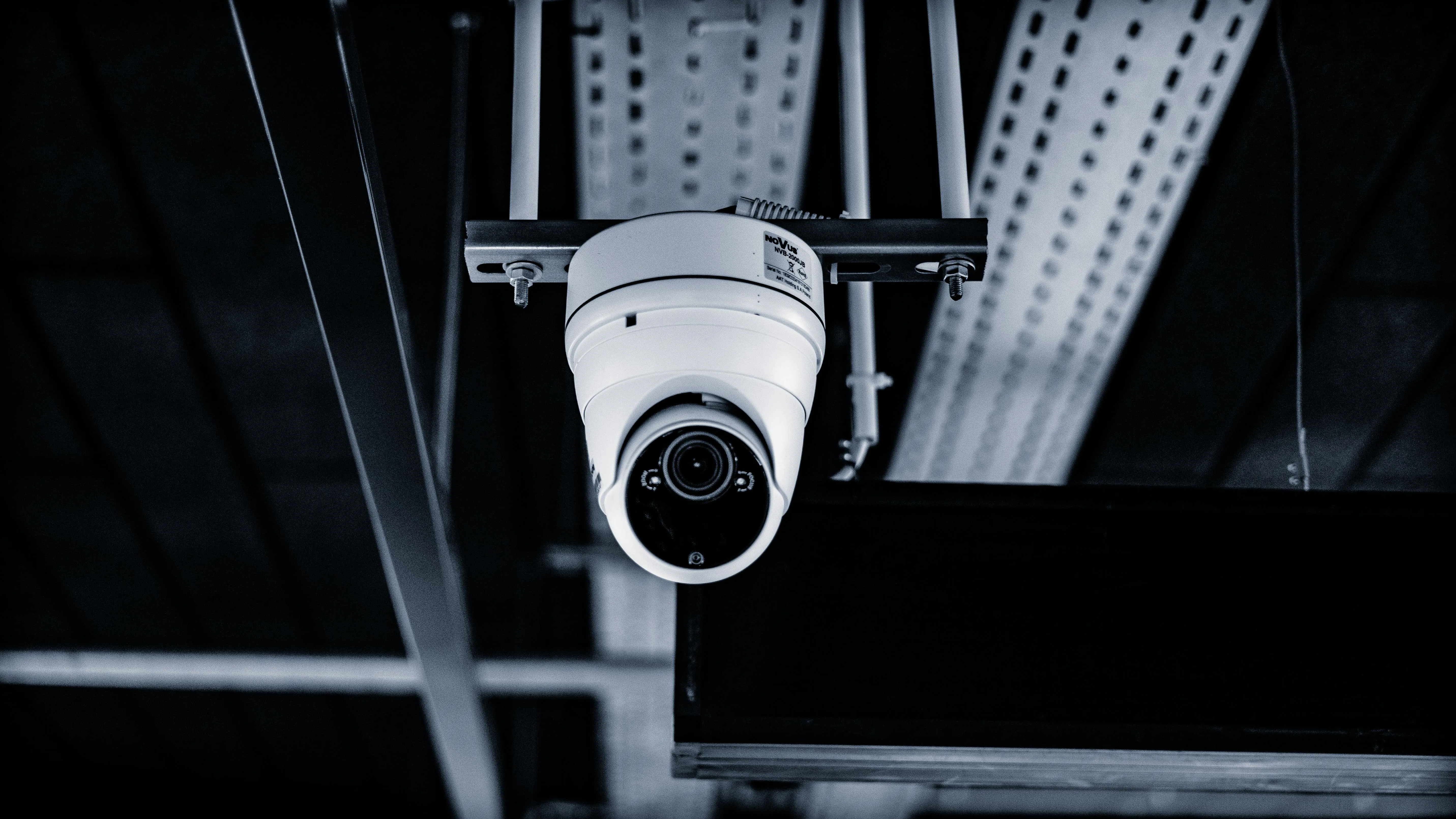
Good placement means fewer cameras doing more work. It also keeps you on the right side of GDPR. This guide covers the practical side of positioning cameras on a typical Irish home, from semi-ds to detached houses with long driveways.
The Five Priority Spots
Most Irish homes need cameras covering these areas, roughly in order of importance.
1. Front Door
The front door is where most break-ins happen. It’s also where parcels get left. A camera here captures anyone approaching your home and gives you a clear facial shot if the angle is right.
Mount it at 2.5 to 3 metres high, angled downward at about 30 degrees. This gives a clear view of faces without people being able to reach up and cover the lens. If you have a porch light nearby, position the camera so the light doesn’t wash out the image at night.
2. Back Garden
The back of the house is the second most common entry point, and it’s often less visible from the road. A camera covering the back door and garden gives you a wide view of the area most burglars use to get in unseen.
On a semi-detached house, aim the camera along the back wall to cover both the back door and the patio area. On a terraced house, angle it to cover as much of your own garden as possible without capturing your neighbours’ spaces.
3. Side Passage
If you have a semi-detached house, the side passage between your house and the boundary wall is a weak point. It’s narrow, often unlit, and gives direct access to the back garden.
A single camera at the front of the passage, mounted high and angled down the length of it, covers the entire route. This is one of the most overlooked spots.
4. Driveway
If your car is parked on the driveway, a camera here protects against theft and vandalism. It also captures anyone walking up to your property before they reach the front door.
For longer driveways on detached properties, you may need a camera with a longer focal length or a second camera halfway down. A wide-angle lens at the house end won’t pick up a clear face 15 metres away.
5. Garage or Shed
If you have a detached garage or a garden shed with tools and bikes in it, a camera covering the entrance is worth considering. These are easy targets because they’re often out of sight from the house.
How Many Cameras Do You Need?
There’s no single answer, but here’s a rough guide based on typical Irish housing.
Terraced house (2-3 bed): 2 to 3 cameras. Front door, back garden, and possibly one covering a side or rear access point.
Semi-detached house: 3 to 4 cameras. Front door, back garden, side passage, and driveway if you have off-street parking.
Detached house: 4 to 6 cameras. All of the above, plus coverage of a longer driveway, detached garage, or side garden.
More cameras aren’t always better. Four well-placed cameras with good coverage will outperform eight badly positioned ones. An experienced installer will know where the gaps are on your specific property.
For an idea of what this costs, see our full CCTV installation cost breakdown.
Camera Height and Angle
The ideal mounting height is between 2.5 and 3 metres. High enough that someone can’t reach up and tamper with it, low enough to capture useful detail like faces and clothing.
Angle the camera downward at roughly 30 degrees from horizontal. This is the sweet spot for capturing faces as people approach. A camera pointing straight out captures the tops of heads. One pointing too steeply downward only covers a small patch of ground directly below.
Avoid mounting cameras under soffits where spiders love to build webs. Infrared night vision illuminates spider silk and you end up with motion alerts all night. Mount cameras on the wall face itself where possible, with a bit of clearance from the eaves.
Common Blind Spots
Even with cameras in the right general areas, blind spots are easy to create by accident.
Directly beneath the camera. Every camera has a dead zone directly below it. If someone can walk tight against the wall under a camera, they may not be captured at all. Position cameras so that one camera covers the blind spot of another.
The space between cameras. If two cameras cover adjacent areas, make sure their fields of view overlap slightly. A gap of even a couple of metres can let someone slip through.
Side gates and low walls. On housing estates, the side gate between front and back is often the only barrier. A camera at the front might not capture someone climbing over a low side wall. Think about how someone would actually move around your property, not just where the obvious doors are.
Recessed doorways and porches. A camera aimed at a recessed front door from too far away will show the porch but not who’s standing in it. Get the angle tight enough to see into the recess.
Indoor vs Outdoor Cameras
Outdoor cameras need an IP66 or IP67 weatherproofing rating to handle Irish rain. They also need decent infrared range for night vision, typically 30 metres for a standard bullet camera.
Indoor cameras are useful for hallways, stairwells, and rooms with high-value items. They’re generally smaller, cheaper, and don’t need weatherproofing. Some people use them to keep an eye on pets or check in on elderly family members.
If you’re on a budget, prioritise outdoor cameras first. The goal of CCTV is to catch or deter someone before they get inside. Once they’re in, the damage is already done.
For a broader overview of home CCTV options, our home CCTV guide covers system types, recording options, and what to look for.
Night Vision and Lighting
Most CCTV cameras use infrared LEDs for night vision. The IR illuminates the scene invisibly and the camera picks it up. Typical range is 20 to 30 metres for a standard camera, which covers most residential gardens and driveways.
A few things to keep in mind.
Don’t point cameras directly at light sources. A streetlight, security light, or even a bright porch light in the frame will cause the camera to adjust its exposure, making everything else in the image too dark.
External IR illuminators help. If you have a large dark area like a long driveway or back field, an external infrared illuminator can extend the range well beyond what the camera’s built-in LEDs provide. Your installer can advise on whether you need one.
White-light cameras deter as well as record. Some cameras have white LEDs that switch on when motion is detected. This lights up the area visibly, which acts as a deterrent. The trade-off is that they’re more noticeable and can annoy neighbours if triggered by foxes at 3am.
GDPR and Camera Placement
This is where a lot of homeowners get it wrong without realising. GDPR applies to domestic CCTV if your cameras capture anything beyond your own property.
Don’t point cameras at your neighbour’s garden, windows, or driveway. Even if it’s accidental, recording someone else’s private space is a data protection issue.
Avoid capturing public footpaths and roads where possible. If your camera covers your driveway but also picks up a section of the public footpath, you may need to put up signage and have a written policy. Many cameras let you mask out areas of the frame so the footpath section isn’t recorded.
Privacy masking is your friend. Most modern NVRs let you draw black-out zones over parts of the image. Use this to mask out any area you don’t own. An installer can set this up during installation.
Put up signage. If your cameras capture any area outside your property boundary, you should display a sign stating that CCTV is in operation. This isn’t optional.
For a full breakdown of CCTV and data protection in Ireland, read our GDPR guide for home CCTV.
Placement Tips for Irish Housing Types
Semi-Detached Houses
The side passage is the key vulnerability. A camera at the front of the passage covers the route to the back garden. At the rear, angle the camera to cover your own garden without sweeping into the neighbour’s side. If your back gardens share a low wall, keep the camera angle tight to your own space.
Terraced Houses
Limited wall space and close neighbours make placement trickier. Front cameras work well above the door or on the first-floor wall. Rear cameras should be positioned to cover your own garden only. Privacy masking is especially important here because gardens back onto each other closely.
Detached Houses
You have more flexibility but also more ground to cover. Consider the full perimeter. Long driveways may need two cameras. If you have outbuildings, each one with valuables inside deserves coverage. A detached house on a rural road might also benefit from a camera at the entrance gate to pick up vehicles.
Housing Estates
Most housing estate break-ins happen at the rear. Burglars enter through back garden walls or fences. Focus camera coverage on the back of the property and any access points from green areas or laneways behind the estate.
Frequently Asked Questions
Where is the best place to put a CCTV camera outside?
The front door. It’s the most common entry point for burglars and the spot most likely to capture a clear facial shot. After that, cover the back garden, side passage, and driveway.
How high should a CCTV camera be mounted?
Between 2.5 and 3 metres. This is out of arm’s reach but low enough to capture faces clearly. Any higher and you lose detail. Any lower and someone could cover or damage the lens.
How many CCTV cameras does a 3-bed semi need?
Typically 3 to 4. One on the front door, one covering the back garden, one on the side passage, and optionally one on the driveway. An installer can confirm what your specific property needs after a survey.
Can my CCTV camera face the road?
Technically yes, but if it records public areas you need to comply with GDPR. That means signage, a retention policy, and ideally privacy masking to minimise what you capture. Keeping cameras pointed at your own property is the simplest approach.
Do I need planning permission for CCTV cameras in Ireland?
No, domestic CCTV doesn’t require planning permission. You’re free to mount cameras on your own property. The main legal consideration is GDPR if cameras capture areas beyond your boundary.
Should I get indoor cameras as well?
It depends on what you want from the system. Outdoor cameras are the priority for security. Indoor cameras are useful for monitoring hallways, watching pets, or checking in on family members. If budget is limited, spend it on outdoor coverage first.