Wired vs Wireless CCTV: Which Is Right for Your Home?
Wired vs Wireless CCTV: What Actually Matters
If you’re looking at CCTV for your home, you’ve probably noticed that some systems use cables and some connect over WiFi. The difference isn’t just about wires. It affects reliability, image quality, installation cost, and how much maintenance you’ll deal with over time.
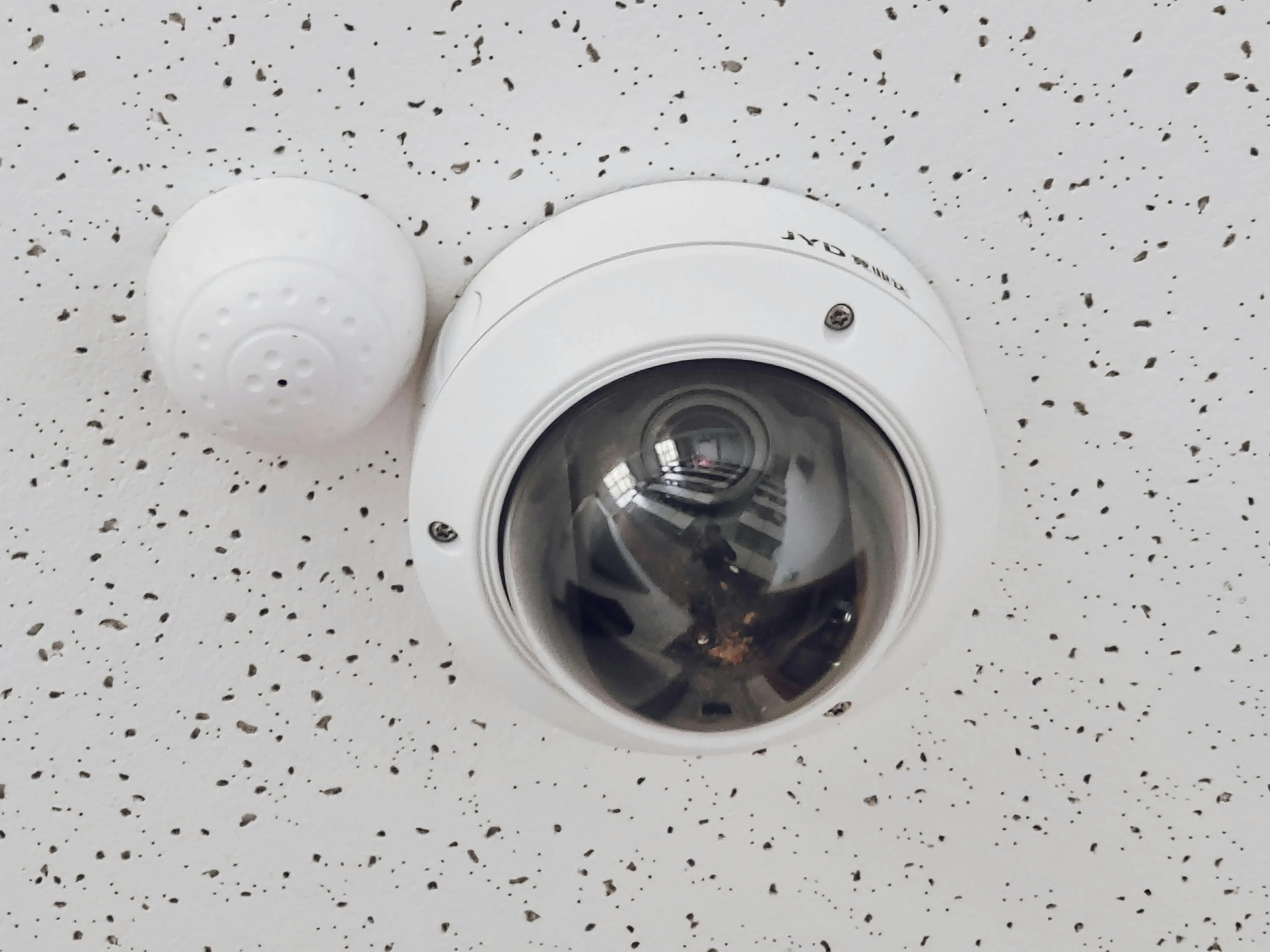
This guide breaks down both options in plain terms so you can figure out which suits your property, your budget, and how much hassle you’re willing to put up with.
The Quick Comparison
| Feature | Wired (PoE) | Wireless (WiFi) |
|---|---|---|
| Reliability | Very high. No signal drops | Depends on WiFi strength |
| Image quality | Up to 4K with no compression issues | Up to 4K, but bandwidth can limit quality |
| Installation | Cables need to be run through walls/attic | Minimal drilling, often DIY |
| Power source | Powered through the Ethernet cable | Mains-powered or battery |
| Range | Unlimited (cable length up to 100m per run) | Limited by WiFi coverage |
| Interference | None | WiFi congestion, walls, distance |
| Expandability | Easy to add cameras if ports are available on NVR | Limited by WiFi bandwidth |
| Maintenance | Very low | Battery cameras need charging every 2-6 months |
| Cost (installed) | Higher upfront due to cabling | Lower upfront |
| Typical brands | Hikvision, Dahua, UniFi | Ring, Arlo, Reolink |
For a full breakdown of what CCTV systems cost in Ireland, see our CCTV installation cost guide.
How Wired CCTV Works (PoE Explained)
Most modern wired CCTV uses something called Power over Ethernet, or PoE. The idea is simple: a single Ethernet cable carries both the video signal and the power to the camera. No separate power supply needed at each camera location.
The cables run from each camera back to a central recorder called an NVR (Network Video Recorder), usually kept in a utility room or under the stairs. The NVR stores footage locally on a hard drive. No cloud subscription required.
PoE is the standard for professional CCTV installations in Ireland. If you get an installer in to fit a system, this is most likely what they’ll use.
How Wireless CCTV Works
Wireless cameras connect to your home WiFi network, the same one your phone and laptop use. They send footage over WiFi to either a cloud server (Ring, Arlo) or a local NVR (Reolink).
“Wireless” can be misleading though. Some wireless cameras still need a mains power cable. They’re wireless in terms of data, not power. True wire-free cameras run on rechargeable batteries, but those batteries need charging every two to six months depending on how much motion they detect.
When Wired CCTV Is the Better Choice
You own a larger property. If you have a detached house with a long garden or driveway, wired cameras will cover it without any signal issues. WiFi struggles at distance, especially through exterior walls.
You want the most reliable footage. Wired connections don’t drop. There’s no buffering, no missed recordings because the WiFi was congested. For a system you’re relying on for security, this matters.
Image quality is a priority. PoE cables can handle 4K video without compression. WiFi cameras technically support high resolution too, but when your kids are streaming Netflix and someone’s on a video call, bandwidth gets tight.
You’re in a permanent home. If you own a semi-detached or detached house and plan to stay, the upfront investment in cabling pays off. Once the cables are in, you won’t touch them for years.
You want to avoid subscriptions. Most wired systems store footage locally on the NVR. No monthly cloud fees. Wireless brands like Ring and Arlo push you towards paid cloud storage plans.
Popular wired brands include Hikvision, Dahua, and UniFi. You can read more about each in our CCTV brand comparison guide.
When Wireless CCTV Is the Better Choice
You’re renting. Running cables through a rental property isn’t practical, and your landlord probably won’t allow it. Battery-powered wireless cameras can be mounted with adhesive or a single screw and taken with you when you move.
Your home is a listed or protected structure. Drilling through stone walls or running cables on the exterior of a period property may not be permitted. Wireless cameras are far less invasive.
You have a small property. For a two-bed apartment or terraced house with a small front and back, one or two wireless cameras can cover everything you need. WiFi signal is rarely an issue over short distances.
You want a quick setup. Most wireless systems can be installed in under an hour. Charge the battery, mount the camera, connect to the app. No waiting for a professional install.
Budget is tight. A two-camera wireless system from Reolink or Ring starts from around €150–€250. A professionally installed wired system is typically €800 or more. See our cost guide for detailed pricing.
Hybrid Systems: The Middle Ground
You don’t have to go all-in on one type. A hybrid approach uses wired cameras for your main positions and wireless cameras for spots where running cable would be difficult or expensive.
For example, you might have PoE cameras covering the front door, driveway, and back garden, with a wireless camera on a side gate or shed where cabling would mean digging up a path.
Reolink is a popular choice for hybrid setups. Their NVR supports both wired PoE cameras and their WiFi cameras on the same system. One app, one recorder, mixed camera types.
This approach gives you the reliability of wired where it matters most, with the flexibility of wireless where you need it. For many Irish homes, especially semi-detached properties with a side passage or a detached garage, hybrid makes the most practical sense.
What About Installation?
Wired systems typically need professional installation. An installer will run cables through your attic, drill exit points, mount cameras, and set up the NVR. For a standard three to four camera setup on a semi-detached house, installation takes most of a day.
Wireless systems are generally DIY-friendly. But even with wireless, you might want a professional to advise on camera placement, angle coverage, and WiFi reach. Getting the positioning right is half the job.
For a detailed look at what professional installation costs across Ireland, check our home CCTV guide.
Common Myths
“Wireless cameras are less secure.” Not inherently. Modern WiFi cameras use encrypted connections. The bigger risk with any camera, wired or wireless, is using the default password. Always change it.
“Wired systems are outdated.” Not even close. PoE is the standard for professional security installations worldwide. It’s what commercial buildings, retail shops, and serious home systems all use.
“You need fast broadband for wired CCTV.” You don’t. Wired systems record locally to the NVR. You only need broadband if you want to view footage remotely on your phone. And even then, a basic connection is fine.
FAQ
Is wireless CCTV reliable enough for home security?
For a small to medium property with good WiFi coverage, yes. The weak point is signal strength, not the cameras themselves. If your WiFi reaches where you need cameras, wireless works well. If you have dead spots or thick walls, wired is safer.
Can I install wired CCTV myself?
Technically yes, but it’s not straightforward. You’ll need to run Ethernet cables through walls or attic space, drill exterior holes, weatherproof the entry points, and configure the NVR. Most people get a professional to do it.
Do wireless cameras work during a power cut?
Battery-powered cameras will keep recording during a power cut, but your WiFi router will go down, so they can’t send alerts or upload to the cloud. Wired systems will also go down unless the NVR is on a UPS (uninterruptible power supply).
What’s the difference between WiFi cameras and PoE cameras?
WiFi cameras connect to your home network wirelessly and need either a battery or a separate power cable. PoE cameras use a single Ethernet cable for both data and power. PoE is more reliable but requires cable runs.
How many wireless cameras can my WiFi handle?
Most home routers can handle three to four cameras comfortably. Beyond that, you may start seeing dropped connections or reduced quality, especially if other devices are competing for bandwidth. A dedicated WiFi network for cameras helps.
Which is better for a housing estate?
For a typical three-bed semi-detached in a housing estate, either can work. A two to four camera wired system is the most popular choice for permanent setups. If you’re renting or want something quick, two wireless cameras covering the front and back will do the job.
The Bottom Line
There’s no universal answer. Wired PoE systems are more reliable, produce better footage, and cost less over time. Wireless systems are easier to install, more flexible, and better for renters or smaller properties.
If you own your home, plan to stay, and want the most dependable system, go wired. If you need something quick, portable, or minimally invasive, go wireless. And if your property has a mix of easy and hard-to-reach spots, a hybrid setup is worth considering.
The right choice depends on your property, your priorities, and your budget. An experienced local installer can look at your home and tell you exactly what makes sense.